
Initial Dot
David Maisuradze
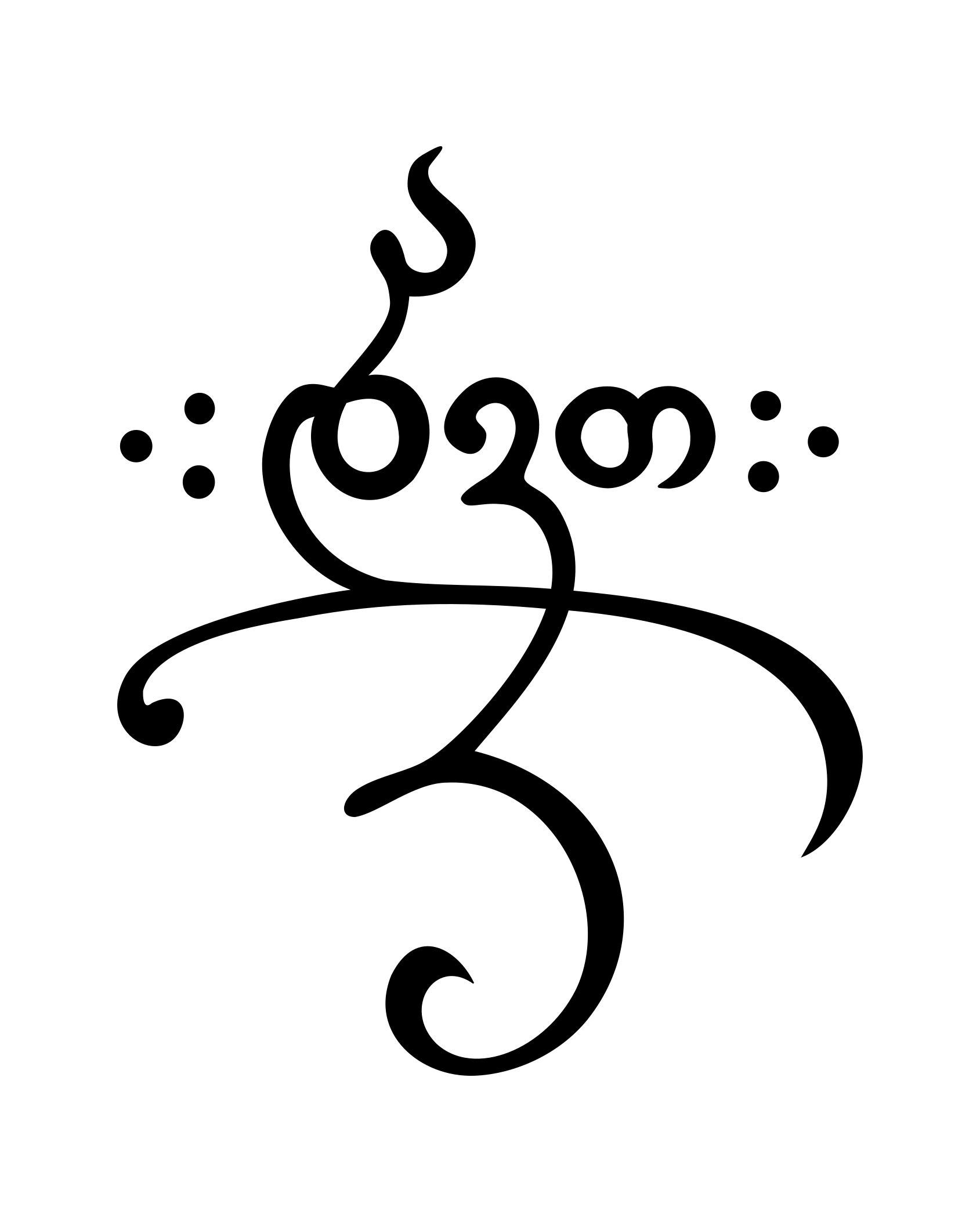
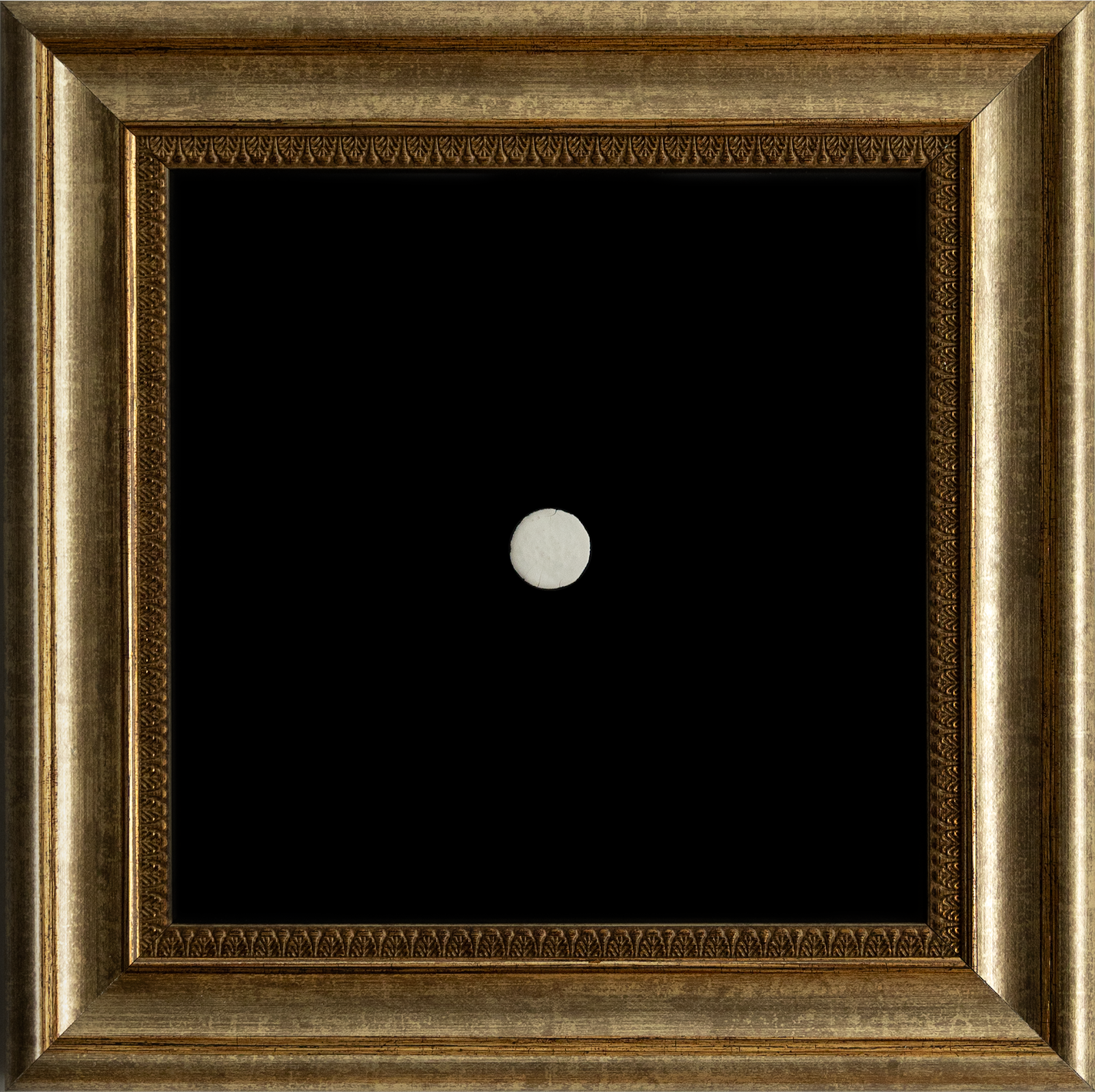
“The Initial Dot” is an ongoing series of calligraphic works that uses the form, language, and visual signs of the Georgian manuscript book within contemporary works.
The works in the series approach text, the book, authorship, vision, perspective, the inversion of hierarchy, explanation, and what remains between, beyond, or after their disappearance in different ways. Here, old forms do not always mean something old; a text does not always explain; an explanation does not always clarify; and a beginning is not always a beginning.
The series is not yet complete. It continues to grow, and its final dot will be added in the future.
Artworks in the series
Everything & Nothing
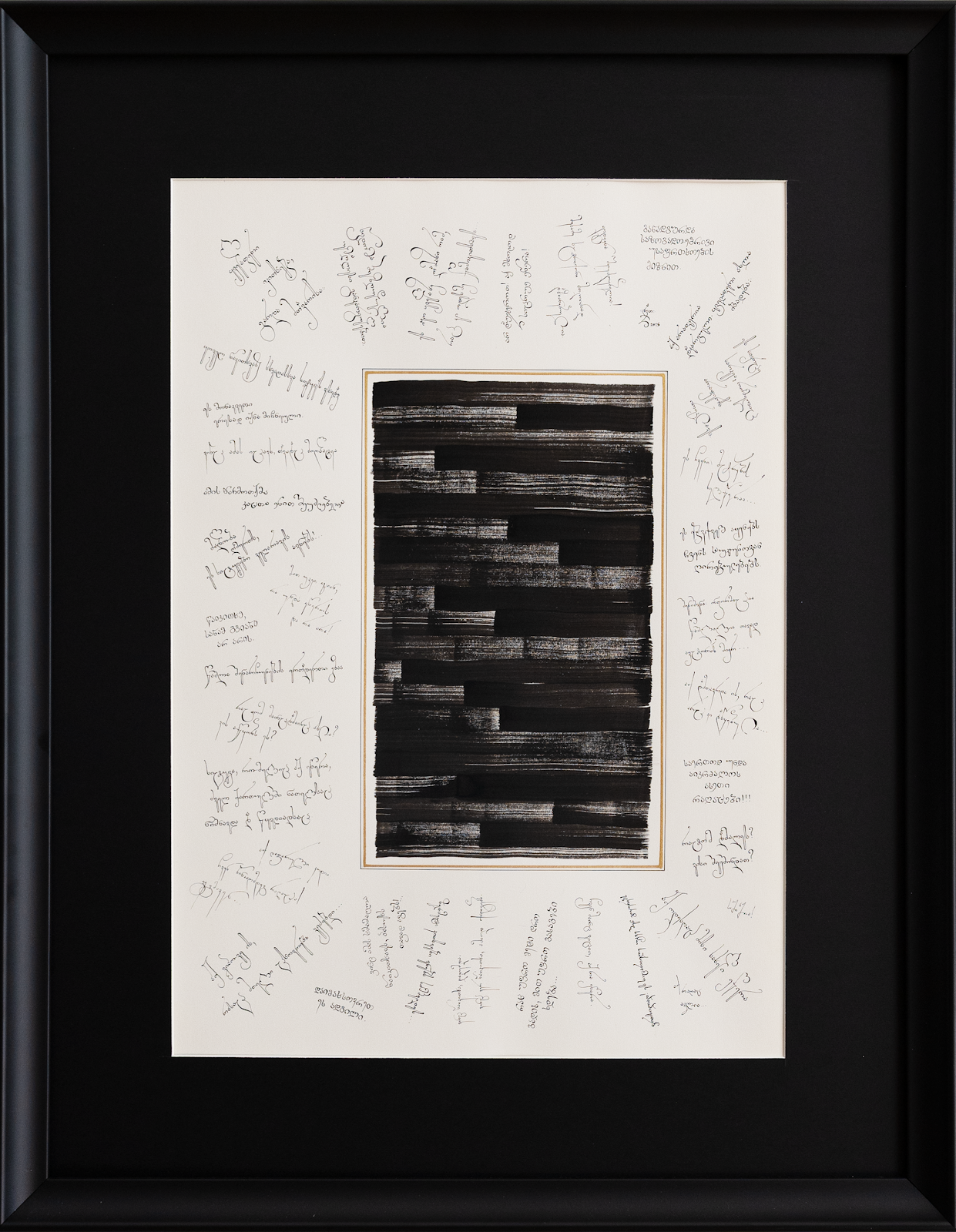
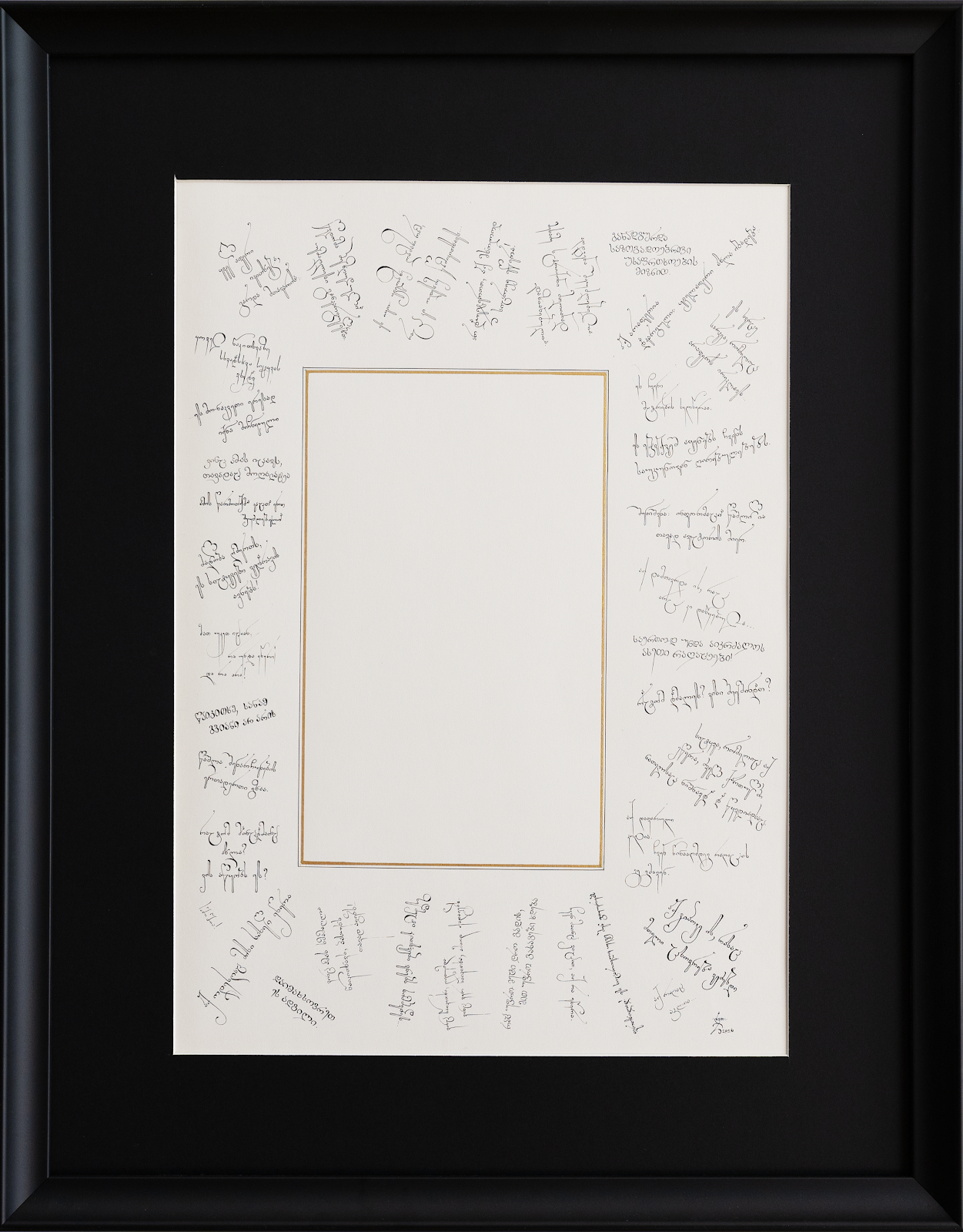
paper, touche, golden ink. 2026. Private Collection
"Nothing" and "Everything" are twin works. They represent a fragment from the series "The Initial Dot". Both echo the form of a handwritten manuscript page: in one, the space intended for the text is completely blank, while in the other, it is blacked out with ink. The text is unreadable in both, yet its absence takes different forms.
Notes inscribed in various handwritings on the margins fill this emptiness with commentary. Can "nothing" have a commentary? Can a commentary reveal a hidden object, an essence? And what happens when the marginalia become the center? These questions are the inspiration behind the works.
However, the works do not provide direct answers to these questions. They simply offer an open space, room for the absence of the text — whether it was never there or is no longer there — and for the voices born from that emptiness.
Everything can be read except the essential part.
Access is restricted by order of the highest authority.
This was the most beautiful thing I have ever read...
Do not believe it; there was nothing here but lies!
The third line is completely damaged. Reconstruction is impossible.
Why?
Destroyed for reasons of public safety.
Nothing is missing here; everything is being born now.
This space is a mirror that reflects nothing.
This is the handwriting of our enemies.
This calls our centuries-old values into question!
Note: The information was erased by the author himself.
Here ended what had not even begun.
Things like this should be banned altogether.
Why did they hide it? Whom were they afraid of?
The word that was written here meant both light and darkness in Old Georgian.
There is a hidden code here. They are planning something against us.
This passage is not to be read publicly.
Here I found what I had been searching for all my life.
I see a different word every time I read it.
This passage was deemed heretical.
Whoever protects this is a traitor himself.
This cannot be pronounced in human language.
Thank God these words can no longer harm anyone.
They know better what should be written here and what should not.
Here the author contradicts himself.
Read it before it is too late!
Erasure is the only way of preservation.
Why now, of all times? Who benefits from this?
His name was once written here.
Whoever reads this aloud will answer for it himself.
Something is missing here...
Too many questions disturb the peace.
Those who read it fell silent. Those who could not read it preach in vain.
Remember this place.
The more time passes, the clearer it becomes.
Dangerous!
We know what was written here anyway.
Careful, this emptiness is already watching you.
Everything has been said here.
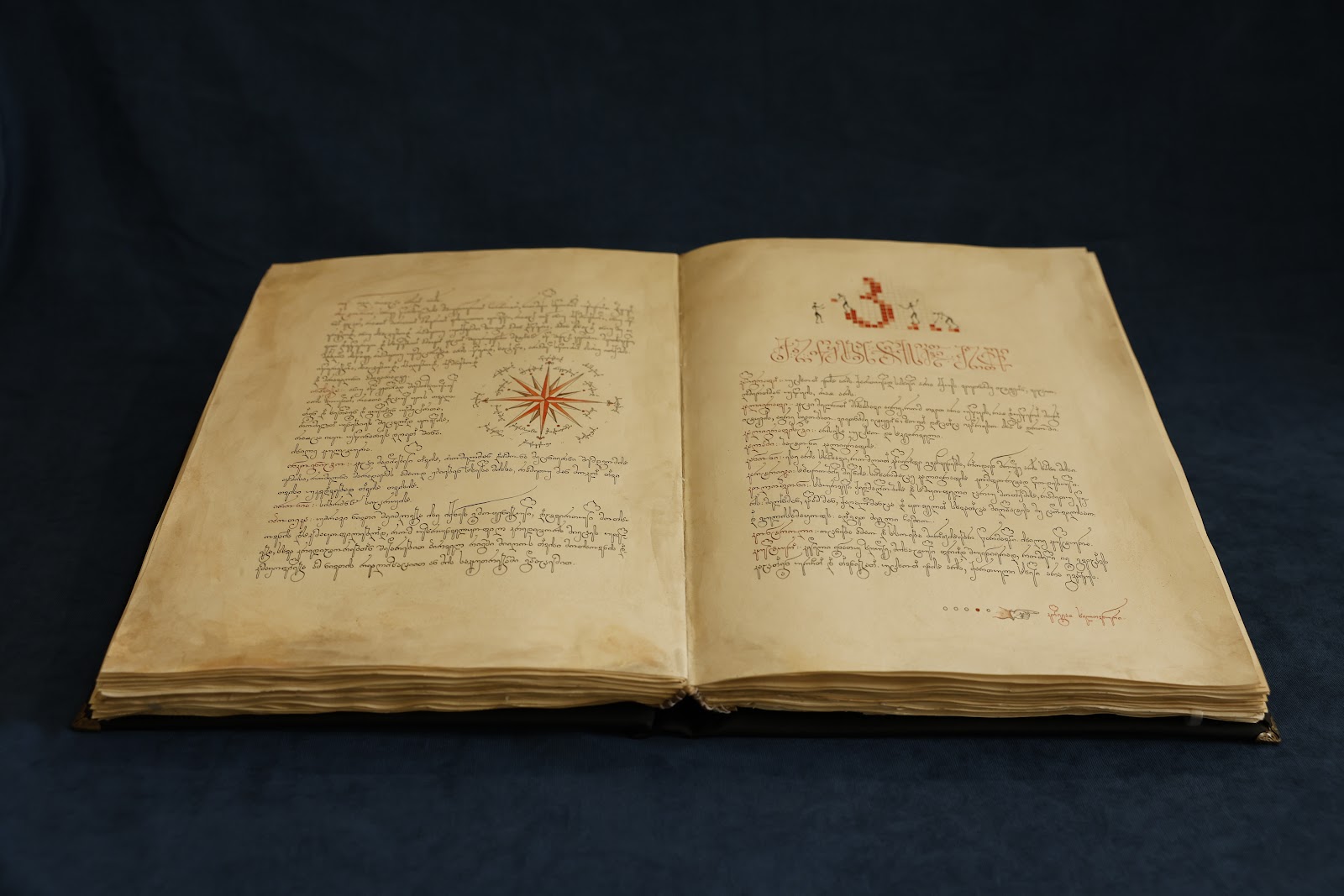
Here Begins No Georgian Dictionary
paper, touche, watercolor, cardboard, cloth. 2026. Private Collection
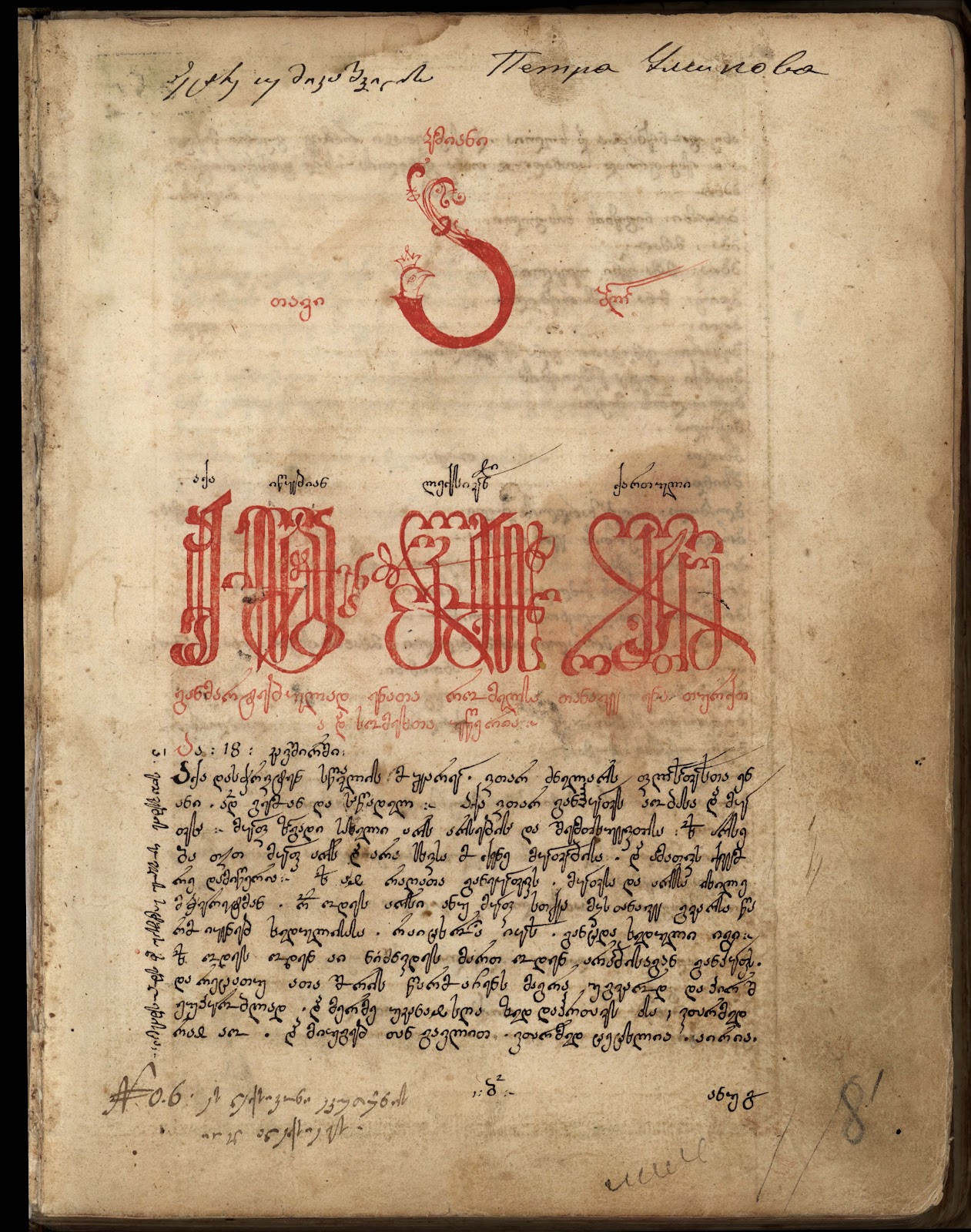
In 1730, the calligrapher Aleksi began the very first page of the manuscript of Sulkhan-Saba Orbeliani’s dictionary (S 4748, folio 8r) with the unequivocal declaration: “Here Begins the Georgian Dictionary.” But what happens when a text denies its own beginning?
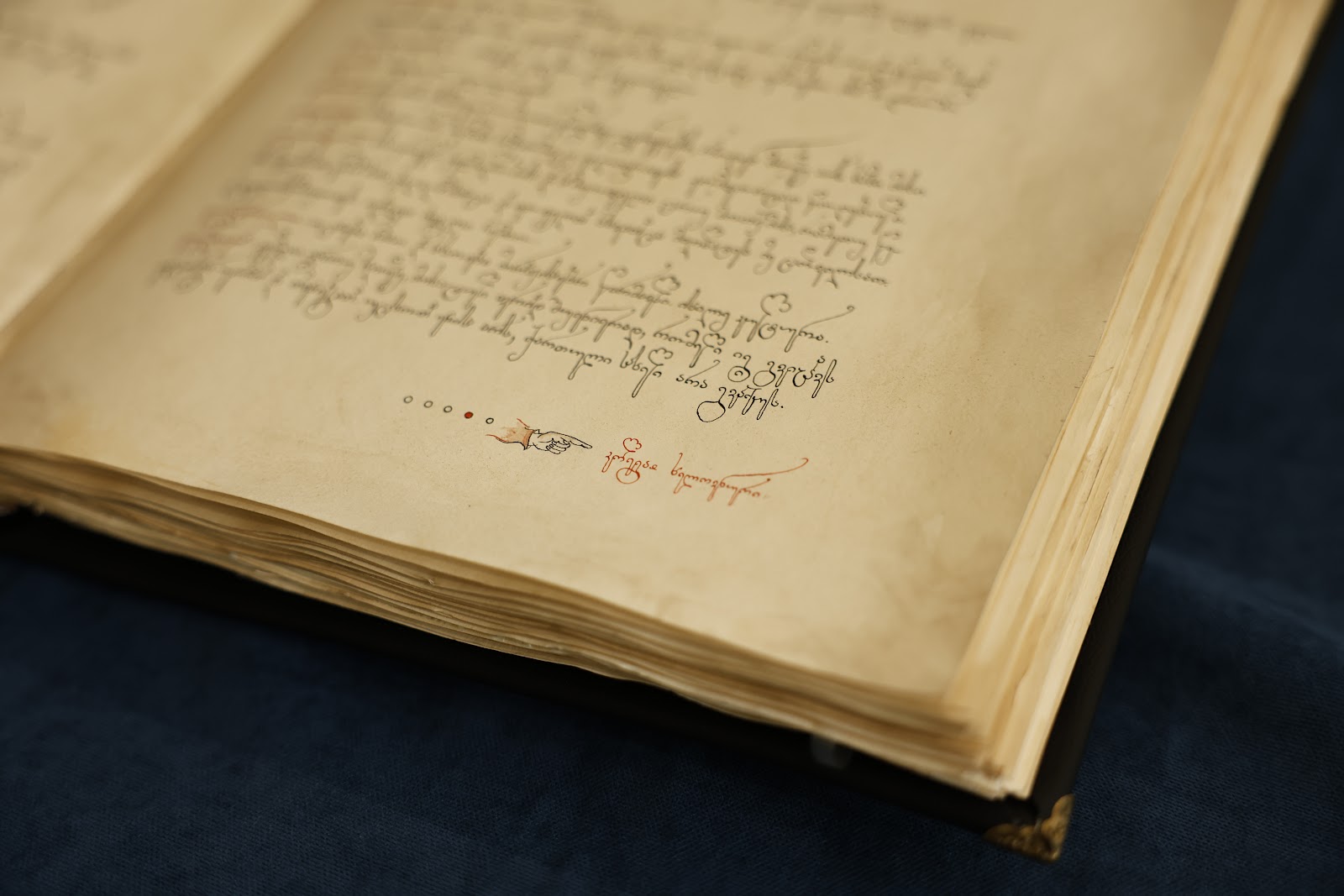
Before you is a contemporary work, handwritten in Georgian and presented in the form of a manuscript dictionary. Its appearance echoes the traditions of Georgian manuscript book, while the text itself is entirely a contemporary work by the author.
The work is a fragment from the series “Initial Dot” and deliberately avoids a beginning: the book is open somewhere in the middle, between the Georgian letters “ი” and “კ”. Its title, “Here Begins No Georgian Dictionary,” echoes the opening formula of Sulkhan-Saba’s dictionary.
The entries do not function as conventional dictionary definitions. They imitate the language of authoritative written forms associated with dictionaries, while shifting meanings, placing them in opposition to one another, or deliberately leaving them uncertain. The archaic language of the text deliberately echoes eighteenth-century Georgian written style, while the subjects and associations being defined belong largely to the present day. Some words and references are directly connected to the Georgian language and the culture of calligraphy, and their associations may therefore not be fully conveyed in translation. Some entries may be read as jokes, others more seriously. They are not intended to lead to a single definitive interpretation.
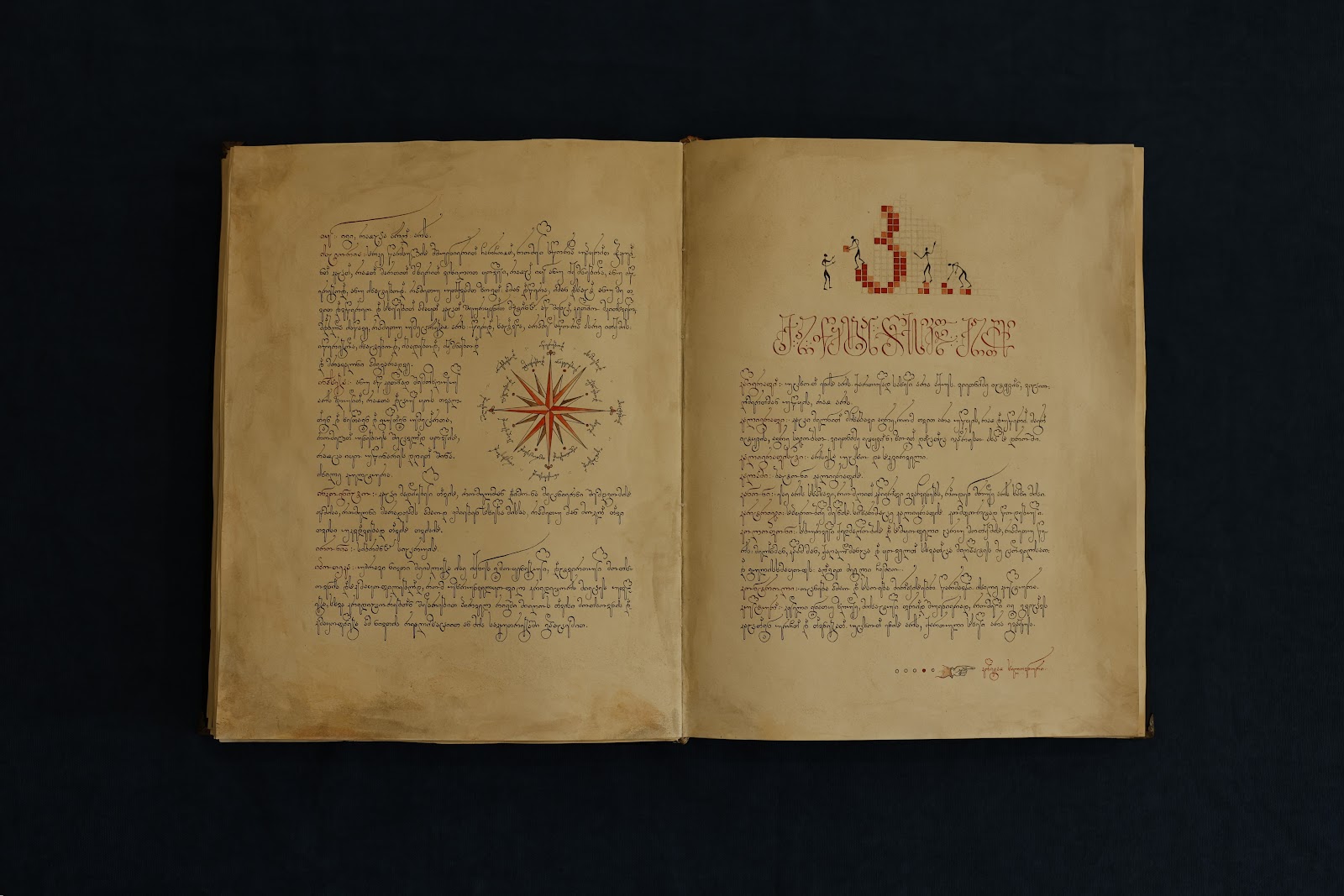
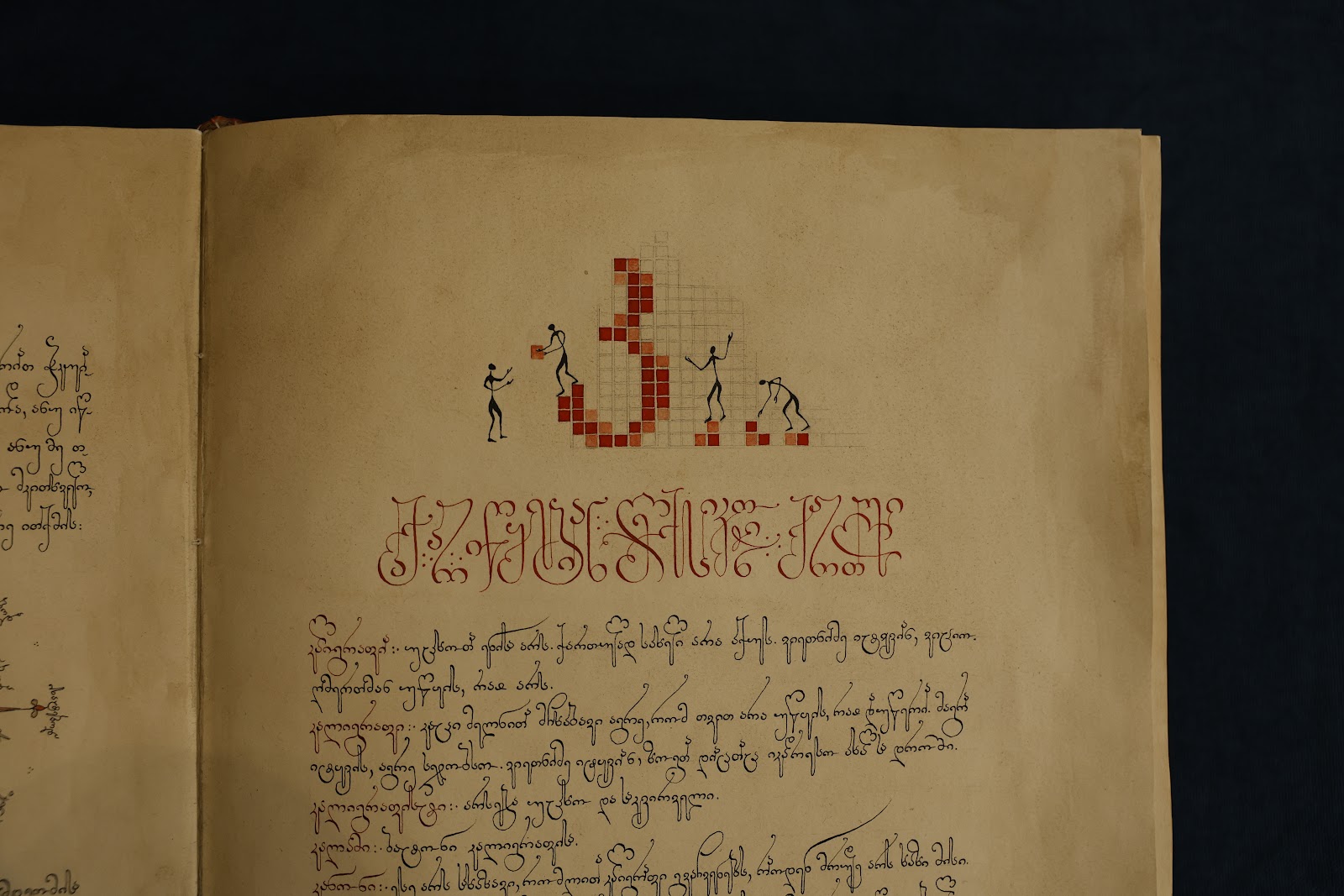
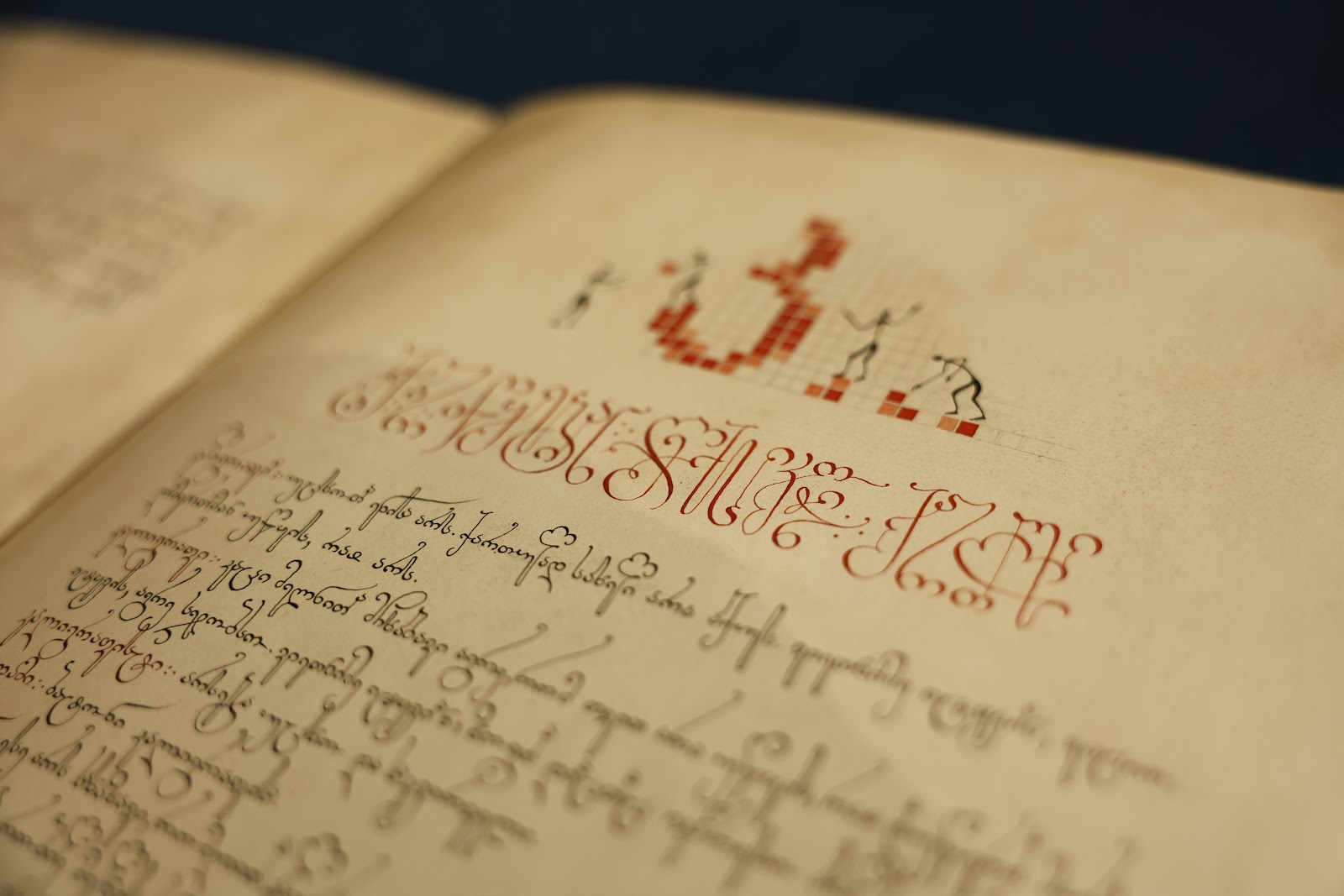
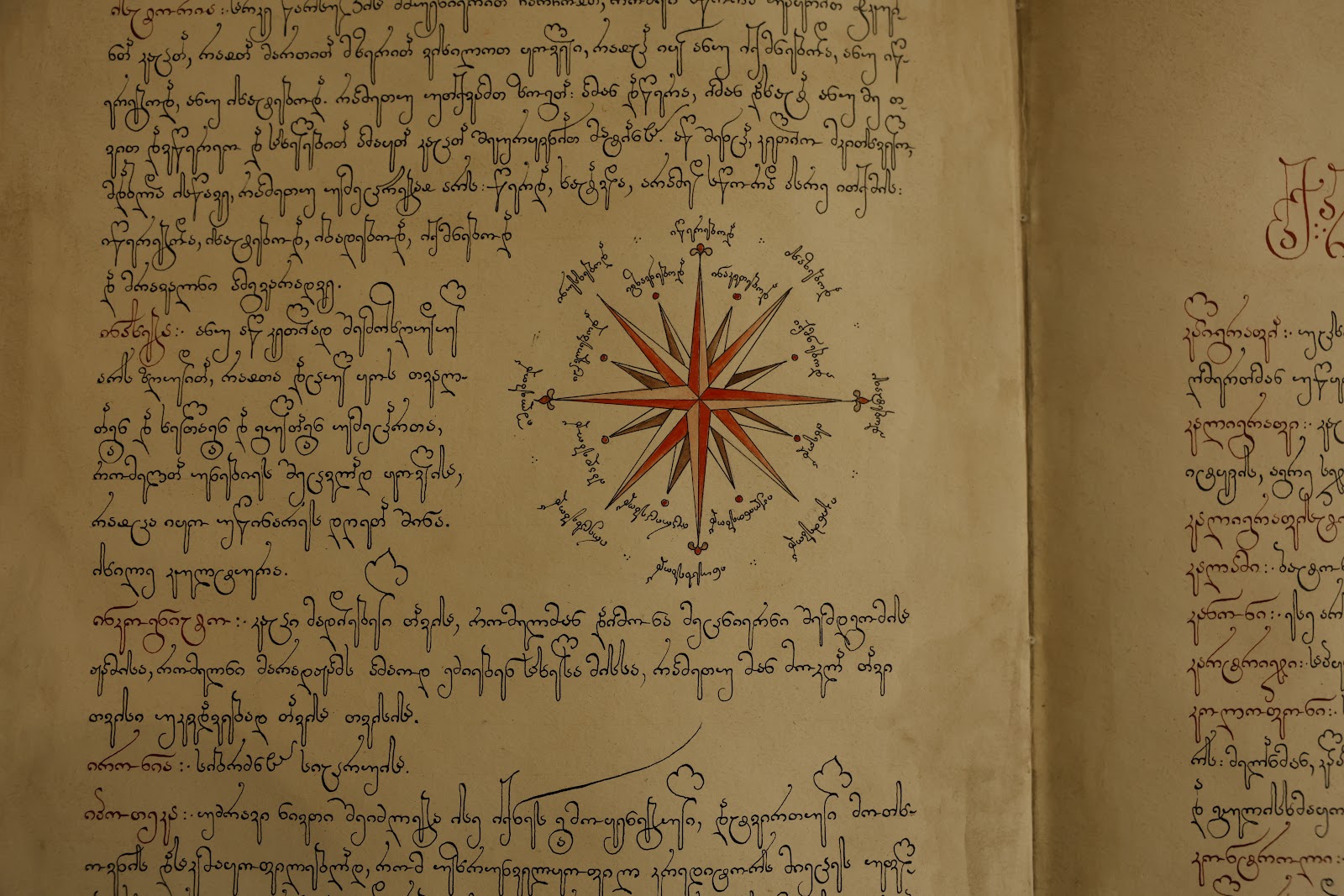
[left page]
It was: That which is no more.
[H]istory: A mirror of the past with a beautiful frame, held correctly by clever men, so that with a righteous gaze we may see everything that was, or was being created, or was being written, or was being painted. Some have said, "He wrote it," "He painted it," or "I wrote it myself," and they have corrupted the chronicle with the names of proud men. Now you too, good reader, learn humbly, for it is ignorance to say: "He wrote," "He painted"; but correctly it is said like this: "It was being written," "It was being painted," "It was being born," "It was being created," and many others in this manner.
(Texts on the Miniature: was being written, was being painted, was being created, was being bound, was being born, was being scribbled, was being built, was being beautified, was being clothed, was being measured.)
Is Kept (Preserved): Meaning, it is now well enclosed by a barrier, so it may be protected from the eyes and hands and hearts of the ignorant, who wish to change everything that existed in previous days. See Culture.
Incognito: Meaning, it is now well enclosed by a barrier, so it may be protected from the eyes and hands and hearts of the ignorant, who wish to change everything that existed in previous days. See Culture.
Irony: The wisdom of falsehood.
Hypothec: Immovable property may be used and encumbered to satisfy a claim in such a way that the secured creditor is granted the right to receive satisfaction of his claim out of this property, by its realization or transfer into his ownership, in preference to other creditors.
[right page]
Here Begins No Georgian Dictionary
- Calligraphy: It is of a foreign language. It has no name in Georgian. Some say, "I know it." God knows what it is!
- Calligrapher: A man scratching with ink in such a way that he himself does not know what he has written. But he will say, "It is better this way." Some say certain women have also dared to do it in modern times.
- Calligraphist: A strange and wondrous creature.
- Calamus (pen): The master of the calligrapher.
- Canon (ruler): This is a ruler with which the calligrapher shows us how crooked his line is.
- Cartridge: A prison for ink. The calligrapher's laziness, called comfort.
- Colophon: A veil of arrogance and a dwelling of false lamentation, for he writes: "The ink, the pen, the paper, and all others have betrayed me, a sinner." And he implies: "Erect a monument to me!"
- Control: A vain dream and a hope fleeting like a mirage. See Culture.
- Culture: A wall, or rather a barrier, painted very beautifully, which protects us from disobedient and willful people. It is of a foreign language; we have no Georgian name for it.
. . . 👉 Artificial colegue
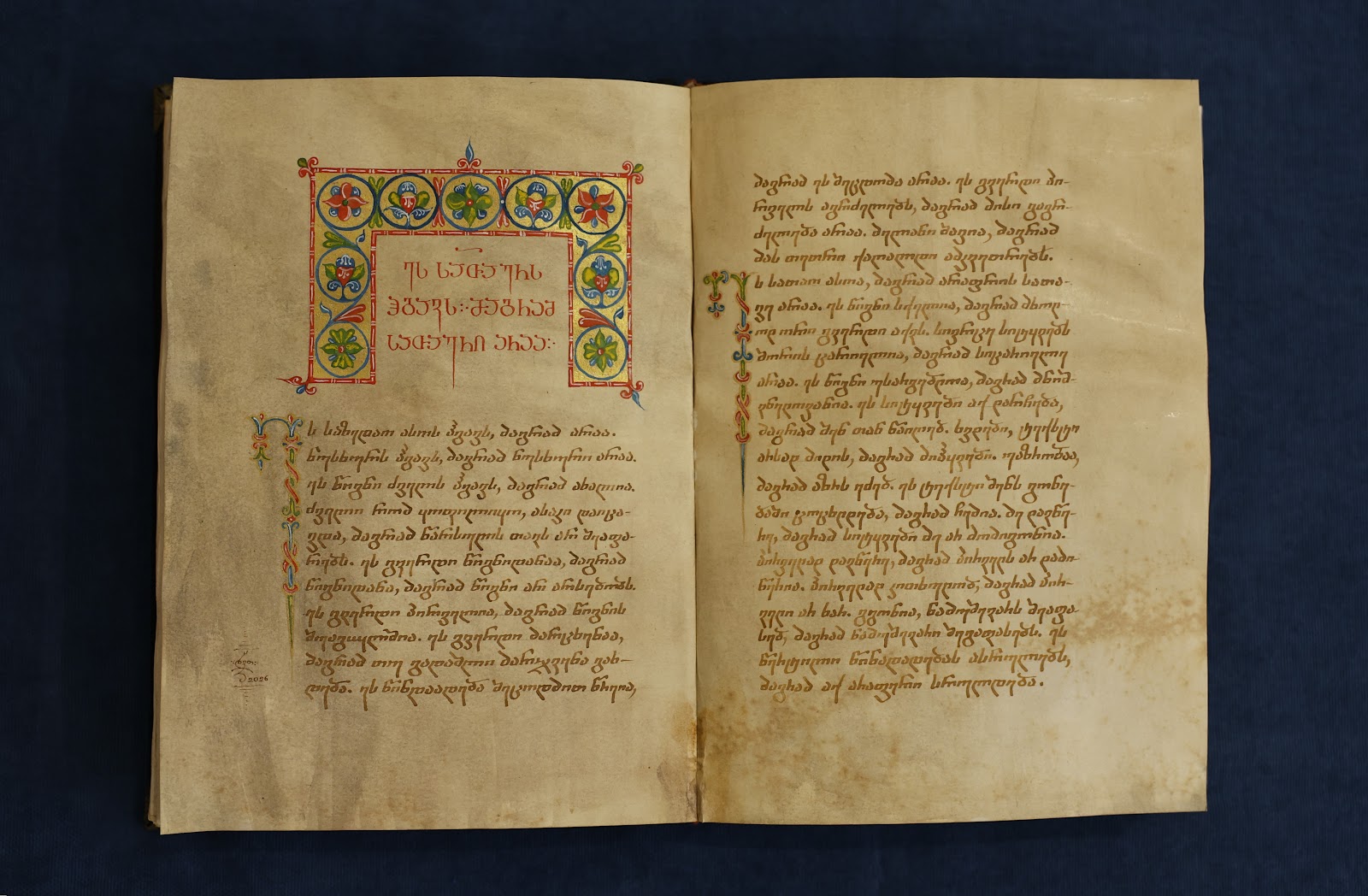
But
paper, watercolor, golden ink, cardboard, cloth. 2026. Private Collection
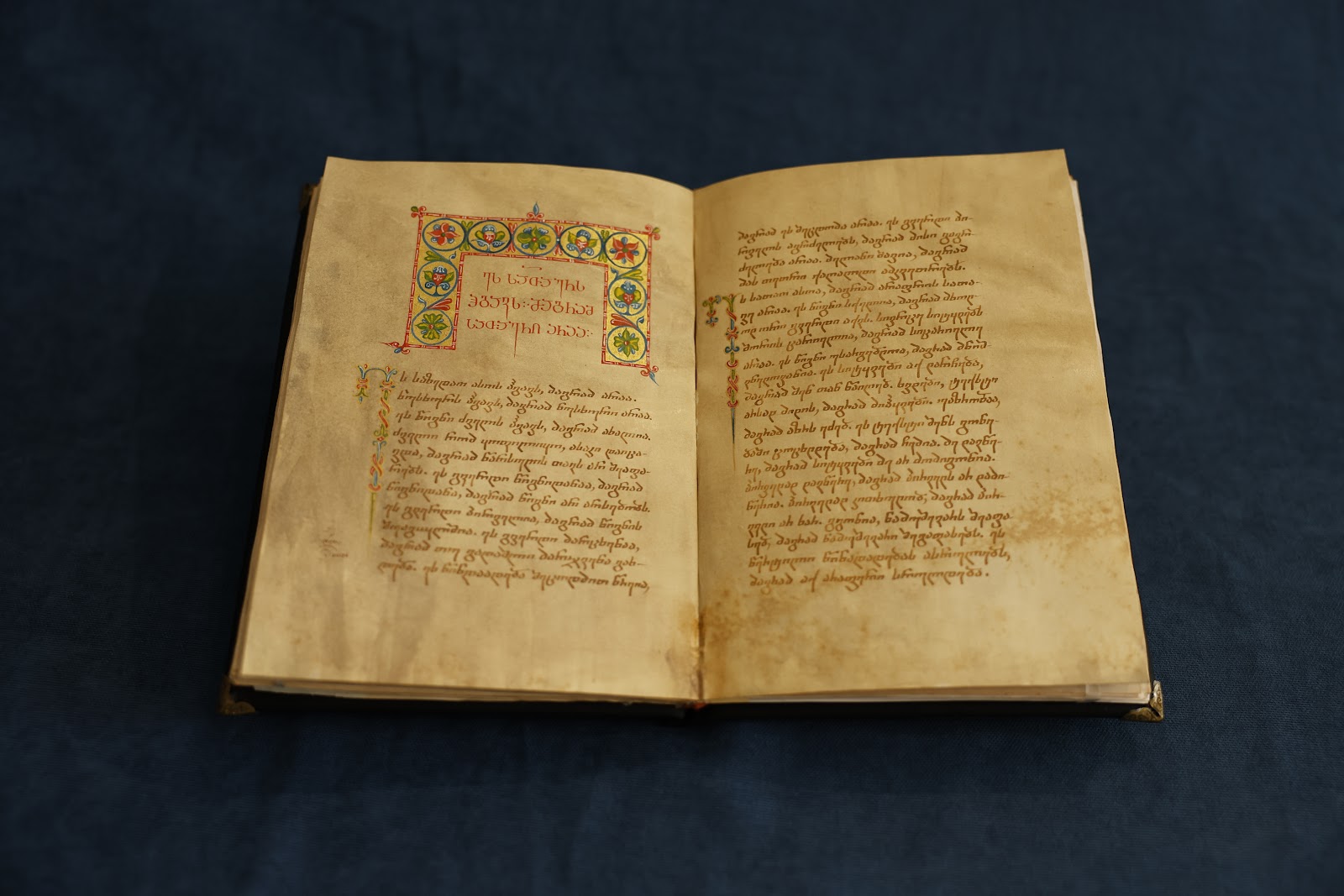
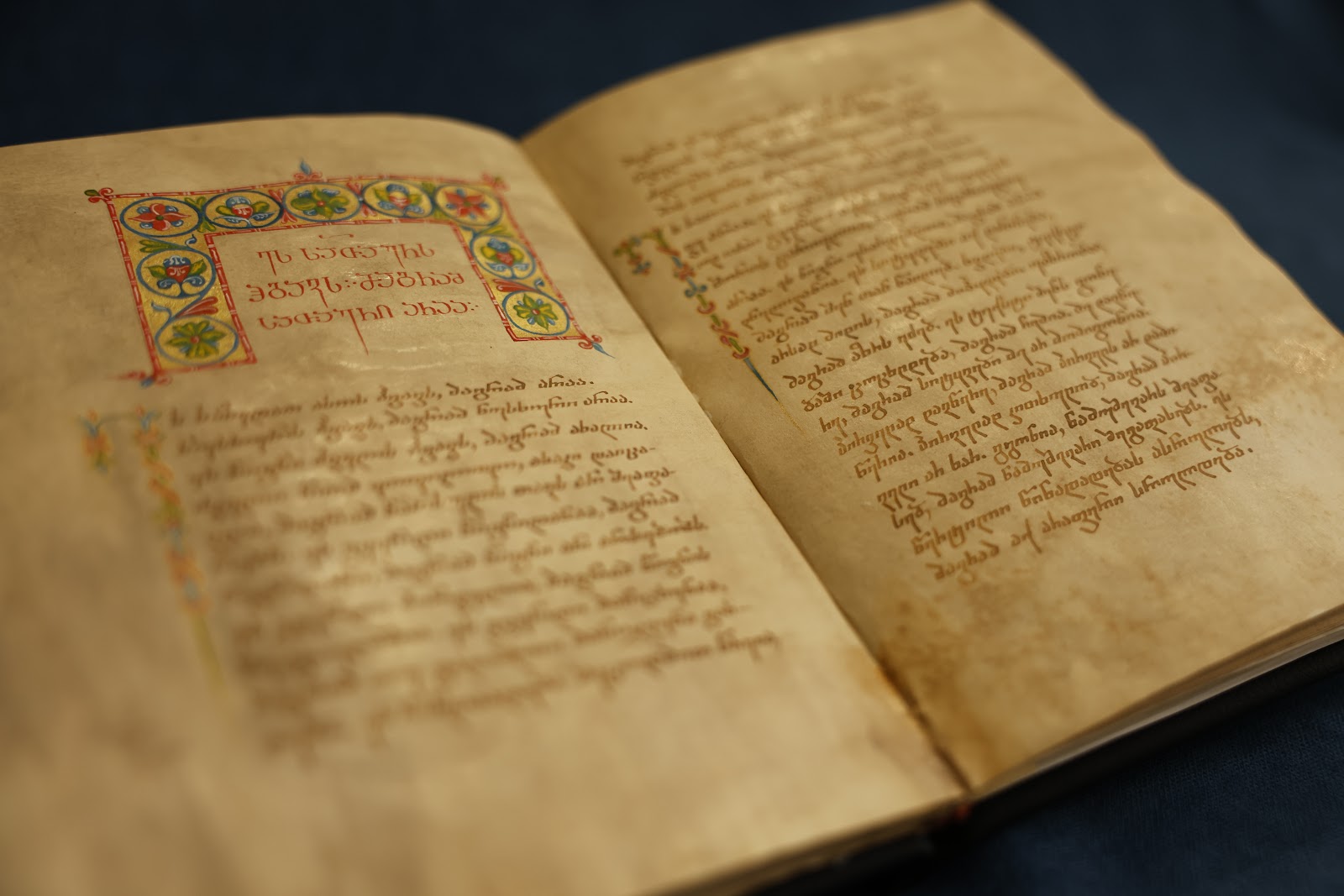
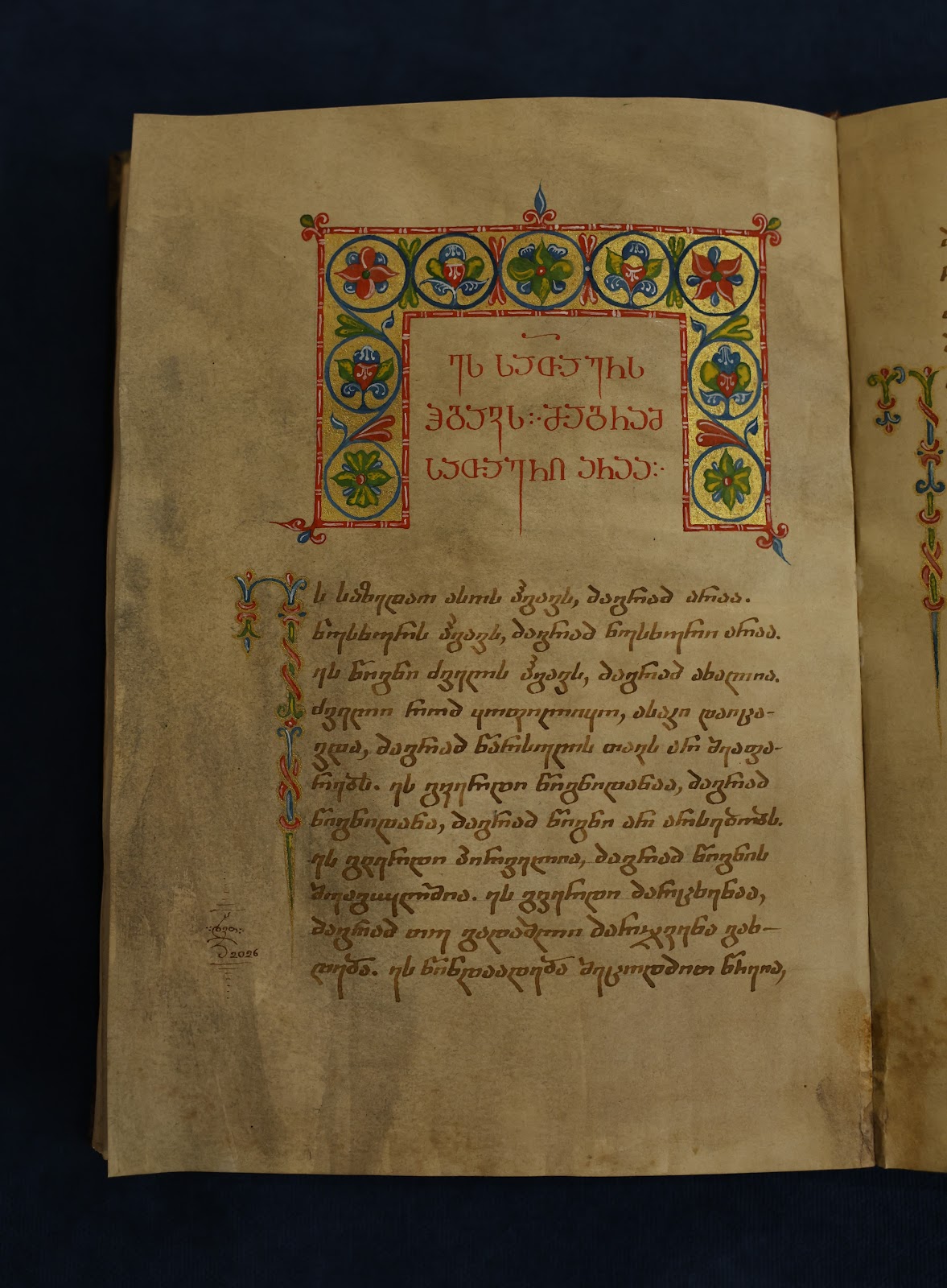
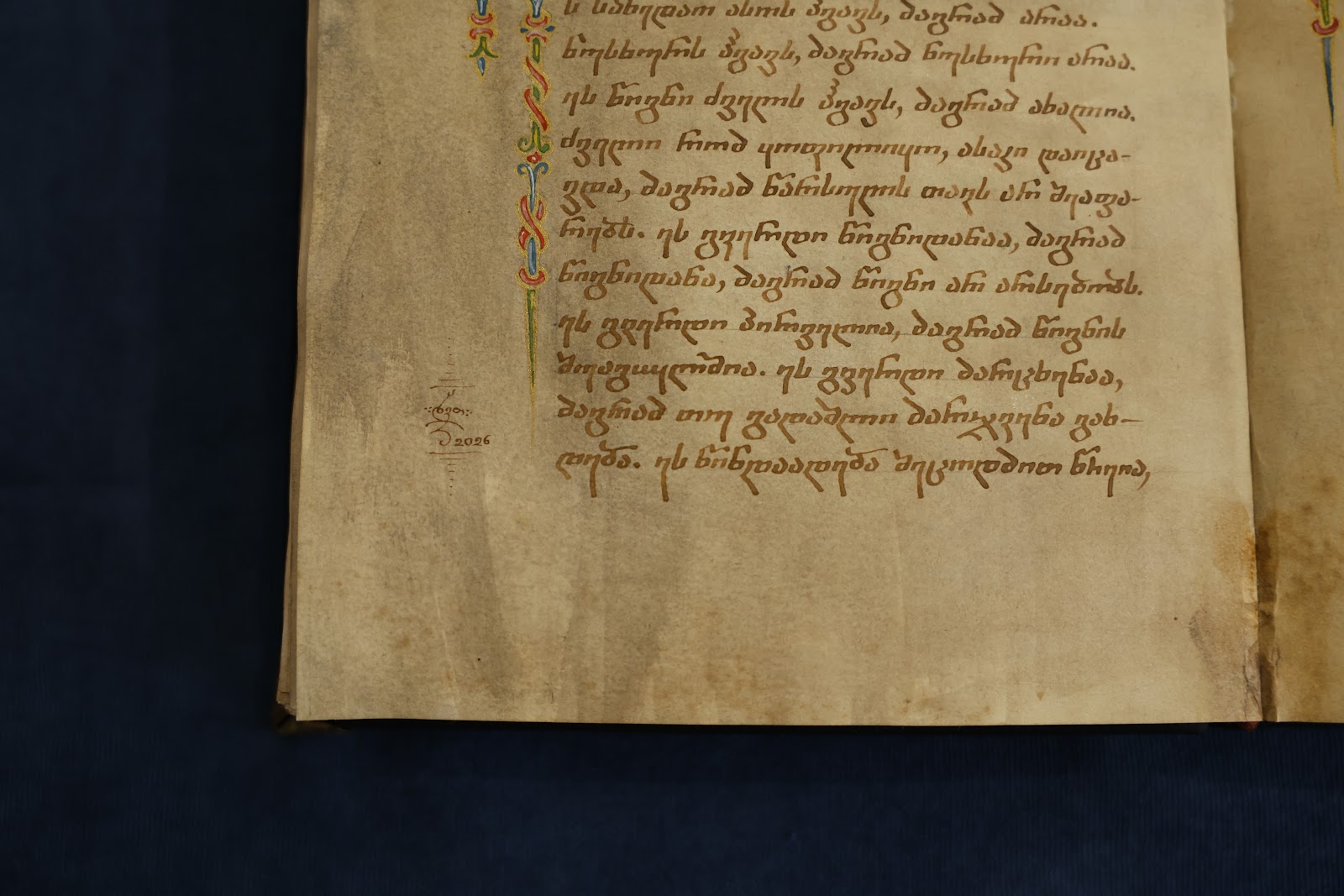
This looks like a title, but it is not a title.
This looks like an initial letter, but it is not. It looks like Nuskhuri, but it is not Nuskhuri. This book looks old, but it is new. If it were old, age would protect it, but it seeks no refuge in the past. These pages are from a book, but the book does not exist. This is the left page, but if you turn it, it becomes the right. This snetence is writtn with a mistkae, but it is not a mistake. This page is the first, but it is in the middle of the book. The ink is black, but the white paper sharpens it.
This is an initial letter, but it initiates nothing. This page continues the first, but it is not its continuation. This book is thick, but it only has two pages. The space between the letters is empty, but it is not emptiness. This book is useless, but it is important. These words will remain here, but you will take them with you. You realize the text is going nowhere, but you follow it. It is nonsense, but you search for meaning. This text comes alive in your mind, but it is mine. I wrote it, but I did not invent the words. I wrote it first, but I was not the first to write. You are reading it for the first time, but you are not the first. You think you will evaluate the artwork, but the artwork will evaluate you. This dot ends the sentence, but nothing ends here.
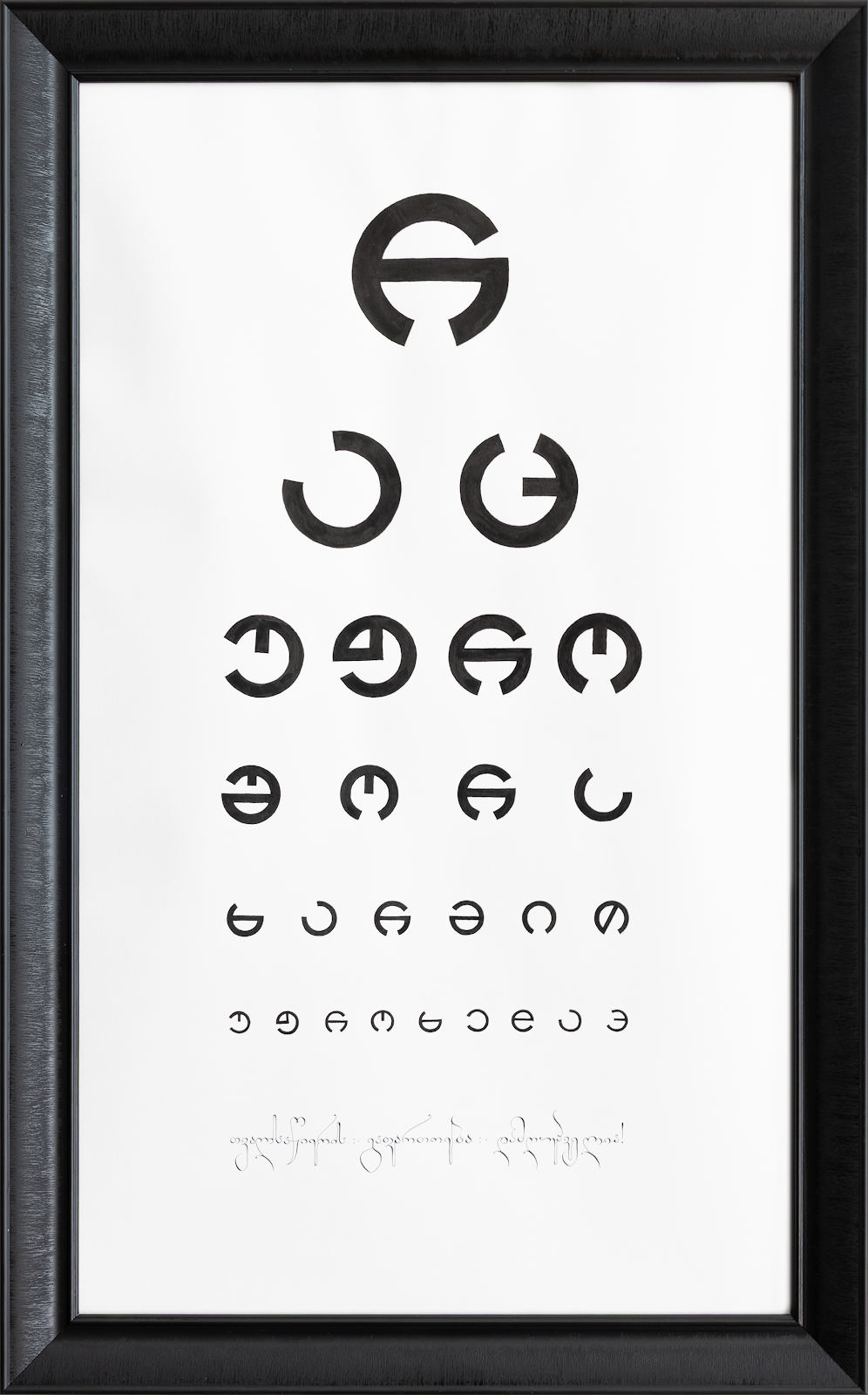
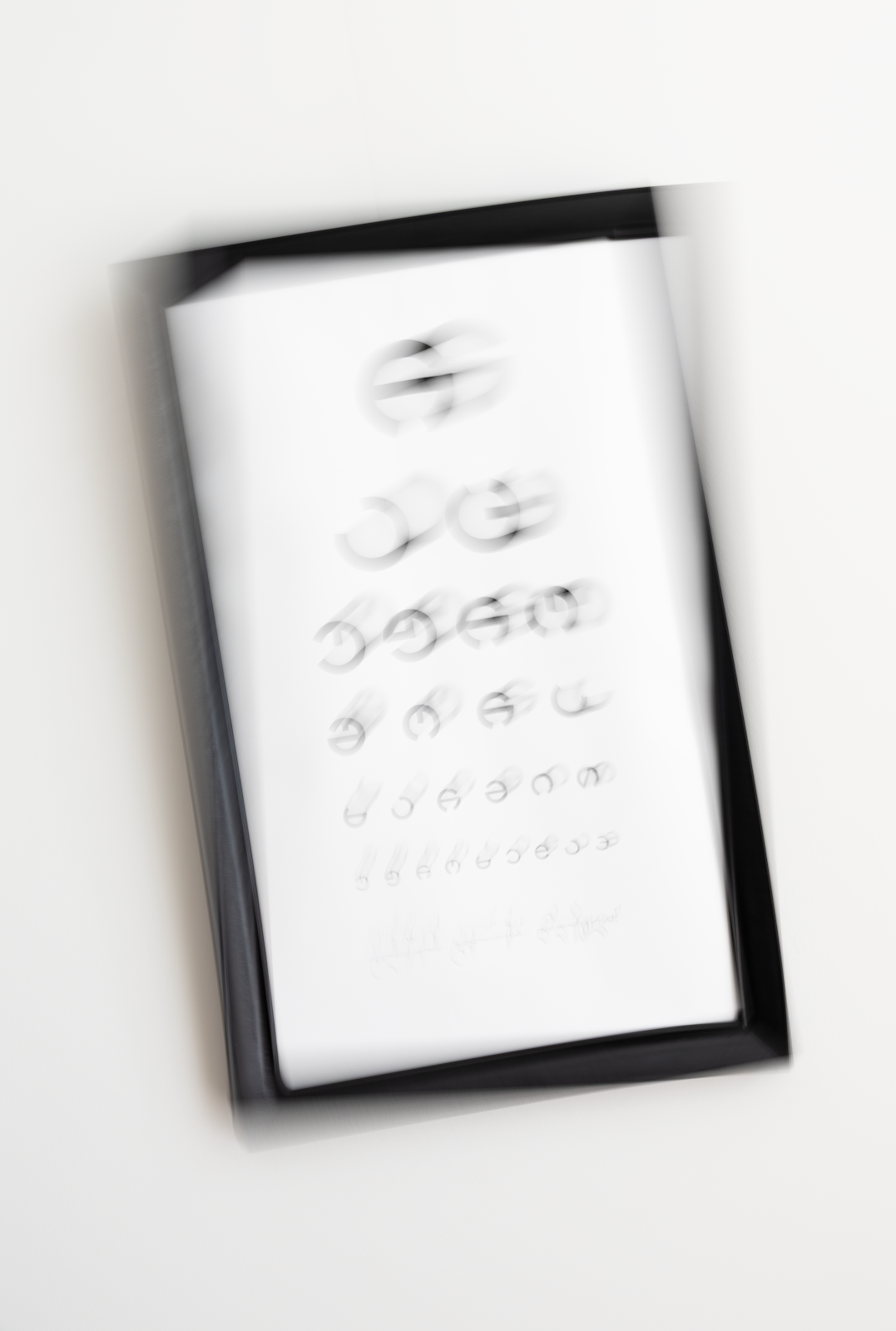
The Farther Away You Are
paper, touche. 2026. Private Collection
The Farther Away You Are,
The More You See.
Expanding the field of vision is fatal!
Explication
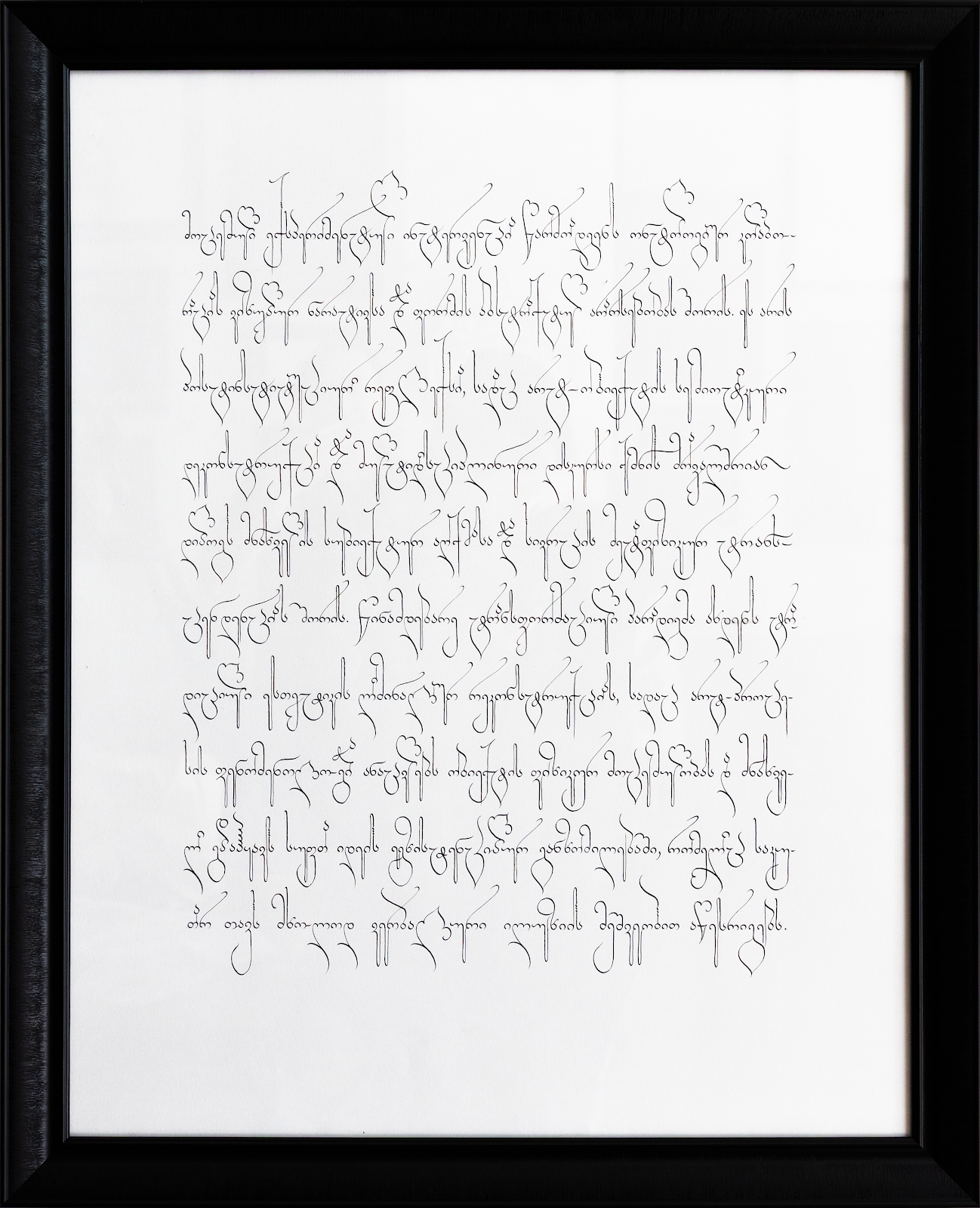
paper, touche. 2026
This experimental intervention constitutes an ontological collaboration between visual narrative and the abstract non-existence of form. It is a post-institutional reflection in which the semiotic deconstruction of the art object and multidisciplinary discourse create a multilayered dialogue between the subjective perception of the viewer and the metaphysical transcendence of space. The present transformative paradigm performs a liminal reconstruction of traditional aesthetics, in which the phenomenology of the art process replaces the physical givenness of the object and carries the viewer into the existential dimension of the pure idea, which orders itself only through verbal illusion.
The final dot has yet to be placed
© David Maisuradze, 2026…
Photographer Natali Gelenava