
Handwriting – The Interpretation of Text
Writing is humanity’s greatest invention. Without it, the recording and immortality of the word are impossible! Calligraphy, however, turns the immortalization of the word into an art: it is not enough merely to write down and preserve a word for centuries—the script must also be beautiful!
Yet, Georgian calligraphers were not content merely with the beautiful immortalization of words. At a very early stage of Georgian calligraphy, they raised a fundamental question: Can texts of completely different content be written in the very same hand? "Of course! It is so much simpler that way!" would be the response of a pragmatic person. But calligraphers are artists, and they gave a different answer: while the geometric precision of Asomtavruli perfectly suits monumental building inscriptions, the severe, angular, and disciplined rhythm of Nuskhuri best corresponds to extensive spiritual texts; meanwhile, the spirit of secular literature is better conveyed through the light and fluid strokes of Mkhedruli.
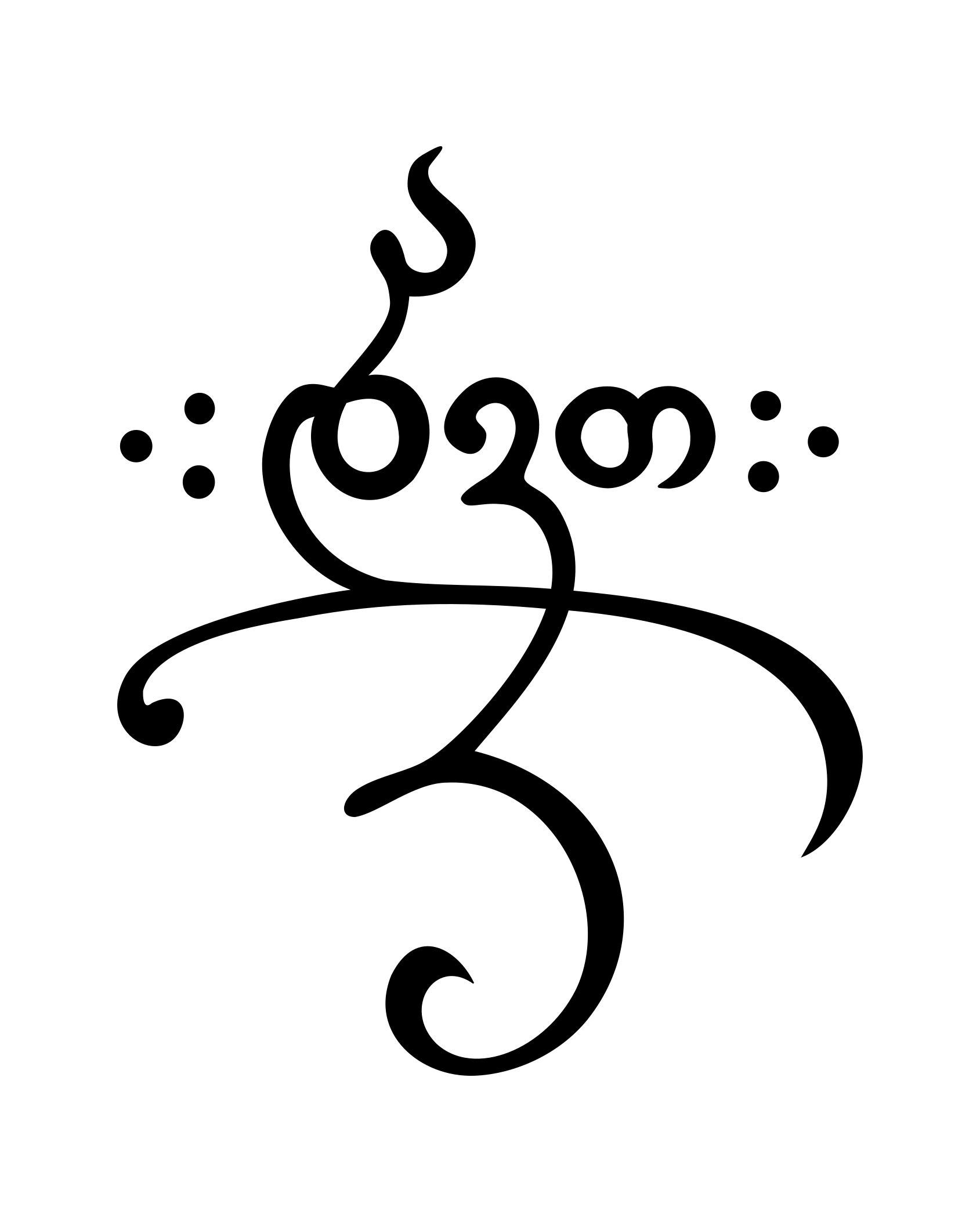
This realization by Georgian calligraphers—that texts of varying content possess distinct characters and demand different styles of calligraphy—can be taken even further in the 21st century, at a time when the art of handwriting has been completely liberated from pragmatic purposes. Can the wisdom of Rustaveli and biblical truths, Ilia’s publicism, or the poetry of Galaktion and Baratashvili be transcribed with the exact same expressive power? Every text evokes different emotions in the reader. As a calligrapher, my task is to express these emotions through the strokes of the pen and to interpret the text through calligraphy. Conveying each text with its unique emotional resonance demands a continuous search for novelty—which remains the most enduring tradition of Georgian calligraphy.
Calligraphy Series & Projects
- Series "Initial Dot" — 2026.
- "Behold and Love the Beauty of Thy Word" — 2023. Together with calligrapher Teona Maisuradze.